Inside the Master Class

What really happens at a master class?

I’ve had the privilege of studying with several famous opera singers at master classes. They have taught me more than just vocal technique and musicianship.

Here are some of the secrets I’ve learned from great singers.

I remember the moment that I first saw Dame Elisabeth Schwarzkopf. It was January 2002. I was sitting in a crowded auditorium in Stuttgart, Germany. Suddenly, the backstage door swung open.  In that instant, the room fell silent and three hundred heads swiveled to look at her. At the age of 86, Schwarzkopf could command attention simply by walking into a room.

A master class is a seminar for advanced music students (or young professionals) conducted by a master musician. The student performs a piece of music in front of the whole class while the teacher critiques the performance.

Frau Schwarzkopf was famous for making caustic comments at her master classes. She could be pretty brutal with her students.  I was thinking about her reputation when I climbed onstage to sing Hugo Wolf’s Schlafendes Jesuskind for her.  The song opens with the words, “Sohn der Jungfrau, Himmelskind!”  But it took me eight tries to get to the word “Himmelskind,” because Frau Schwarzkopf kept interrupting me.  A couple of times, I hadn’t even made a sound before she yelled, “Nein!”

Elisabeth Schwarzkopf was a stickler for detail. Every breath, every expression, every vowel had to be just right. I learned a lot about Wolf Lieder that day. But I learned even more about willpower and charisma, qualities that Schwarzkopf possessed in abundance!

Master classes are never just about singing.  They’re about how to live your life.  (See Randy Pausch’s Last Lecture.) Singers are natural mimics — we learn by imitation and even by osmosis! We absorb a great deal of information simply by being around great artists. And this has little to do with what is actually taught or discussed.

Montserrat Caballé is one of the most joyful people I have ever met.  A couple of years ago, I had the pleasure of singing at her master class in Zaragoza, Spain. Her curriculum included a lot of vocal anatomy; she enjoys the science of singing. But it was her contagious joie de vivre that most impressed me. Studying Casta diva with her was simultaneously gratifying and alarming, because her passion for Bellini is visible. It shines through her like a light.

Master classes are special times in the life of a singer because most voice lessons do not happen in front of an audience. Soloists usually take individual lessons. Professional opera singers continue to work with voice teachers and vocal coaches throughout their career, but this training is usually one-on-one.

And yet, there is something about the group learning experience that really works for musicians. Singers who have struggled for years can make huge breakthroughs in a master class. I’ve seen it happen. In just a few days, a student can experience an exponential learning curve.

That’s why I was thrilled to discover that Mirella Freni teaches her own students in a “master class” format. When I moved to Italy to study with her in 2005, I did not realize that my “classroom” would be a sixteenth century palace! On the day of my first lesson, I climbed up a magnificent spiral staircase to a large chamber with painted ceilings, where sixteen young singers were singing arias for each other while Signora Freni made suggestions.

Mirella Freni is, of course, a musical genius.  She sings in a very natural and authentic way, as if she were holding a conversation.

I think the best moment may have been when some of my colleagues asked Ms. Freni how to produce a pianissimo. They wanted to hear about the physical process, how to use their abdominal muscles and resonance chambers, etc. But she gave them a more profound answer.

“What is the best way to support a soft sound, Signora?”

Bemused, Mirella Freni gazed back at them. “Con lo stato d’animo, ragazzi.” (Stato d’animo can be translated “mood,” “spirit,” or “frame of mind,” but what she literally said was, “With the state of your soul, kids.”)

When I went to visit Ms. Freni last spring, I found that she had moved her academy to Modena, the town where both she and Luciano Pavarotti were born. Her master classes are held in a former hospital, in what used to be the cardiology wing.  There is poetic justice in that, since Freni’s music is about singing from the heart.

Of course, master classes are often a mixed experience. When a student wants to learn, and a teacher wants to teach, there is nothing better than a master class.  But sometimes it gets more complicated than that.

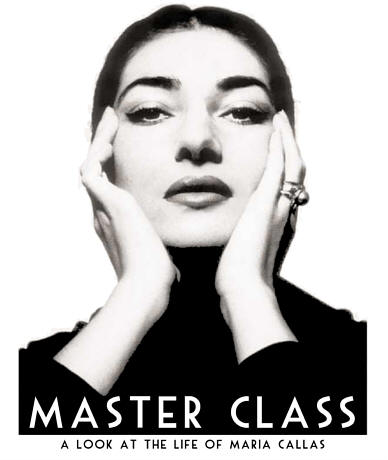
Master Class is actually the title of a play about Maria Callas, written by Terrance McNally, in which Callas teaches students about singing while reliving episodes from her own life. And like the play, a real master class can reveal someone’s hidden agenda.

Sometimes, the student just wants to demonstrate how fabulous she already is. Meanwhile, the teacher wants to prove her greatness as a teacher. They both need professional affirmation; they both want to shine.  And they both end up feeling hurt and unappreciated. This is completely unnecessary.

A really masterful pedagogue can adapt to the student’s own learning style. Some students are more kinesthetic; others are more verbal.  Some make huge intuitive leaps simply from imitating the sounds in the room; others need a step-by-step methodology that they can write down.

An experienced maestro knows how to critique a student without discouraging him. He knows what to say and what not to say. Some of the best vocal coaches I’ve known have a Zen-like ability to teach without saying anything at all!

I was not quite that wise when I went to teach vocal workshops at the Kathmandu Jazz Conservatory in 2009. I had prepared a several multi-media presentations on topics from breathing technique to the history of Western opera. And I think it was useful. But I noticed that my students got even more from my energy and attention than they did from my information. That’s how it works.

Master classes aren’t just about music. They’re about life.

Accidental Genius

Everybody wants to be a genius. But creativity is so hard to predict.  Most creative ideas seem to happen by accident.

So… how can we have more creative accidents?

The key is to create a dangerous environment.

I’m not talking about physical danger, although that might get your creative juices flowing. I mean artistic risk.

Personally, I need a space where I can play around with my creative ideas, where I’m not afraid to crash and burn. For me, this is usually a music studio. For you, it could be a laboratory or a gymnasium or a library or even a cubicle. Any space where you can approach your project with a bold sense of adventure.

Geniuses don’t play it safe. The most creative people I know are pretty comfortable with risk.

My brother-in-law has a fairly exciting brain. Rocket science isn’t terribly challenging for him. Even in college, he was able to imagine and produce projects of staggering creativity, but he usually injured himself in the process! This led his Harvard friends to call him a “genius of sorts,” and the nickname stuck.

This fearlessness is just as important in music as it in science. The best jazz musicians I know are great improvisers because they are not afraid. They invent great music on the spot because a) they’re good musicians and b) they’re not afraid to fail.

Creative minds maintain a curious balance between discipline and playfulness. In a recent article for the Wall Street Journal, Jonah Lehrer reports that while most great thinkers work grueling hours, the “incandescent flash” of inspiration usually happens when they finally relax and take a hot shower.

For some reason, creativity requires both work and play. The best thinking happens in the space between the two. That’s where the insight lives.

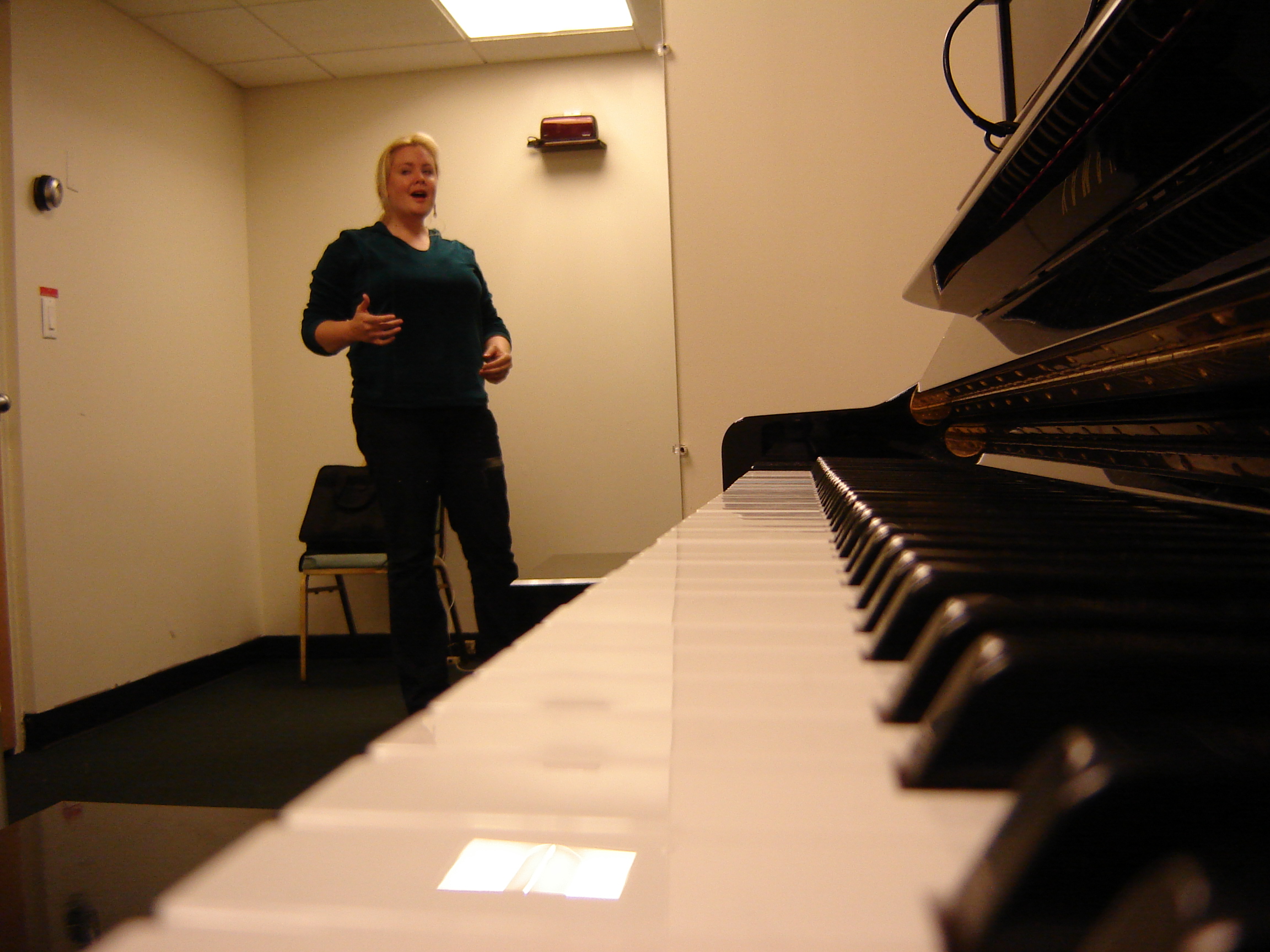
The practice room is probably the least glamorous location in an opera singer’s life. But that’s where we spend a big chunk of our time. And that’s where a lot of the magic happens.

Say it’s Tuesday night at midnight in New York City. You’re alone in your sound proofed practice room. You are singing along as you bang out some chords on the piano and suddenly — unexpectedly! — something amazing happens. Music pours out of you, more vibrant than ever before.

Then two weeks later, you’re on stage in New Haven, singing the same music, and you are flooded with fresh creative energy.  Why? Because you practiced. You actually practiced getting inspired.

It’s not really an accident.  Not really. But it feels that way.

Inspiration is completely unpredictable. You can’t know if and when it’s going to happen. But it’s much more likely to happen if you’re ready and waiting.

So if you need a creative boost, just find an “accident-rich” environment and spend a lot of time there. Somewhere down the line, you might have a stroke of genius.

Hawaii: Opera in Paradise

The Big Island, 2009 ~ I stood outside the Kona International Airport, squinting in the sunlight.

Just a few days earlier, I had been walking around Kathmandu, in the shadow of the biggest mountains on earth. Now I was on an island in the middle of the Pacific.

Talk about culture shock.

This was my first trip to Hawaii.  I had come to the Big Island to sing at the Hawaii Performing Arts Festival, but my heart was still in Nepal. Here I was in a tropical paradise, but I could barely take it in.  It felt like I was dreaming.

I rented a small convertible and started driving north along Queen Kaahumanu Highway. The ocean sparkled in the sunlight.  When I glanced up the lush green hills, I caught sight of the biggest and brightest rainbow I had ever seen! Everything seemed so surreal.

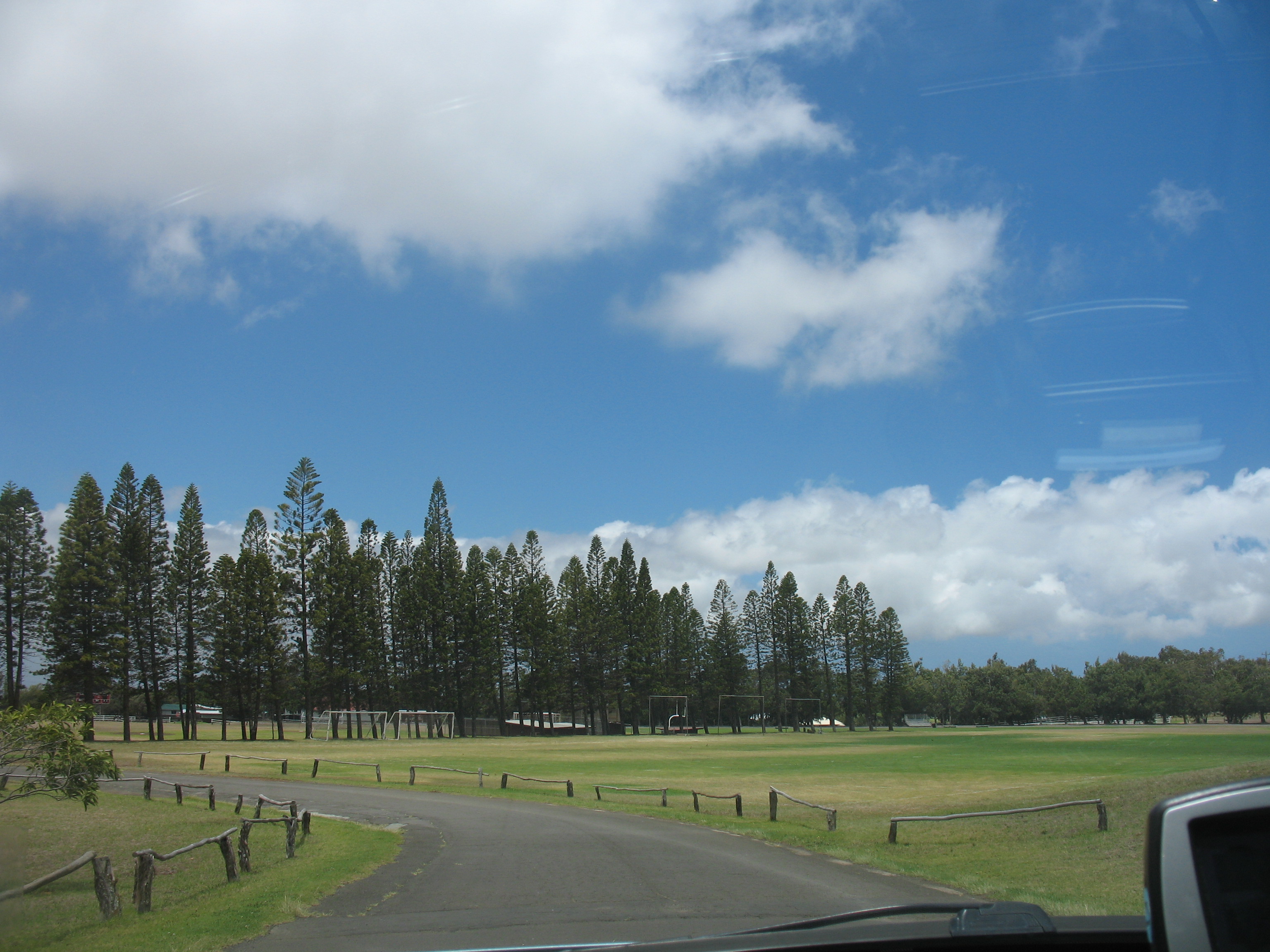
The road twisted up a steep hill, away from the ocean. Suddenly, I found myself in a new sub-climate with cattle ranches and pine trees. The air smelled like wet grass and eucalyptus. I parked my car outside a little chapel and checked my wristwatch.  It was 6:29 PM.  I was on time for the concert!

The legendary Wagnerian singer Jeannine Altmeyer was about to sing an excerpt from Die Walküre, right here in this church on the Big Island of Hawaii.  And I was going to hear it live.  Just for a second, I leaned back on the headrest and closed my eyes. “This is the most amazing life,” I thought to myself. Then I rushed inside to hear some opera.

Over the next two weeks, I got to perform all over the Big Island with my new friends from HPAF.  We sang Mozart under the fir trees. We sang Puccini on the beach.  We sang Kurt Weill at a little theater in Hilo.

We also met the famous American composer, Ricky Ian Gordon, and performed one of his operas, The Grapes of Wrath. And I even got to sing some Wagner arias for Ms. Altmeyer! The Hawaii Performing Arts Festival was a truly amazing experience.

But by the end of July, I needed a vacation! Singing is a dream job, but it’s also a lot of hard work. As soon as the festival was over, I decided it was time for a little rest and recreation.  First, I took my convertible all over the Big Island. And then I hit Oahu with my friend Karina. It was the trip of a lifetime.

So here are my tips for the Ultimate Hawaiian Vacation:

#1. Meet a Volcano

Kilauea is one of the world’s most active volcanoes.   It’s a pretty exciting day trip.

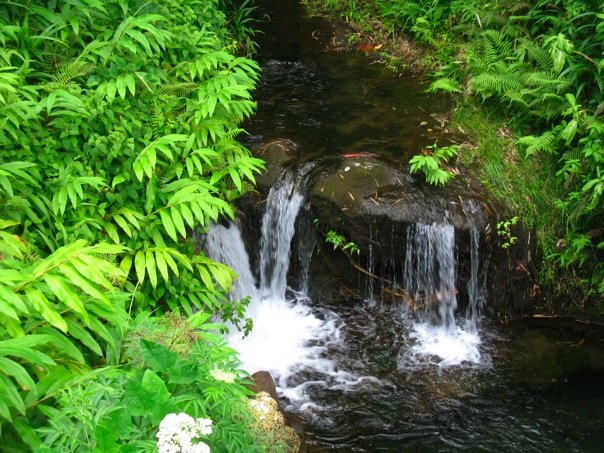
#2. Stand in A Waterfall

I loved exploring Akaka Falls State Park.

#3. Surf the Waves in an Outrigger Canoe in Waikiki

Yes, it’s a tourist trap.  But this is more fun than you can possibly imagine. If you want to to experience the rush of surfing, but you can’t control your own surfboard, this is your sport:

#4. Go Snorkeling 

I met a gorgeous yellow butterfly fish just under the surface of Hanauma Bay.

#5. Go Horseback Riding in the Jungle

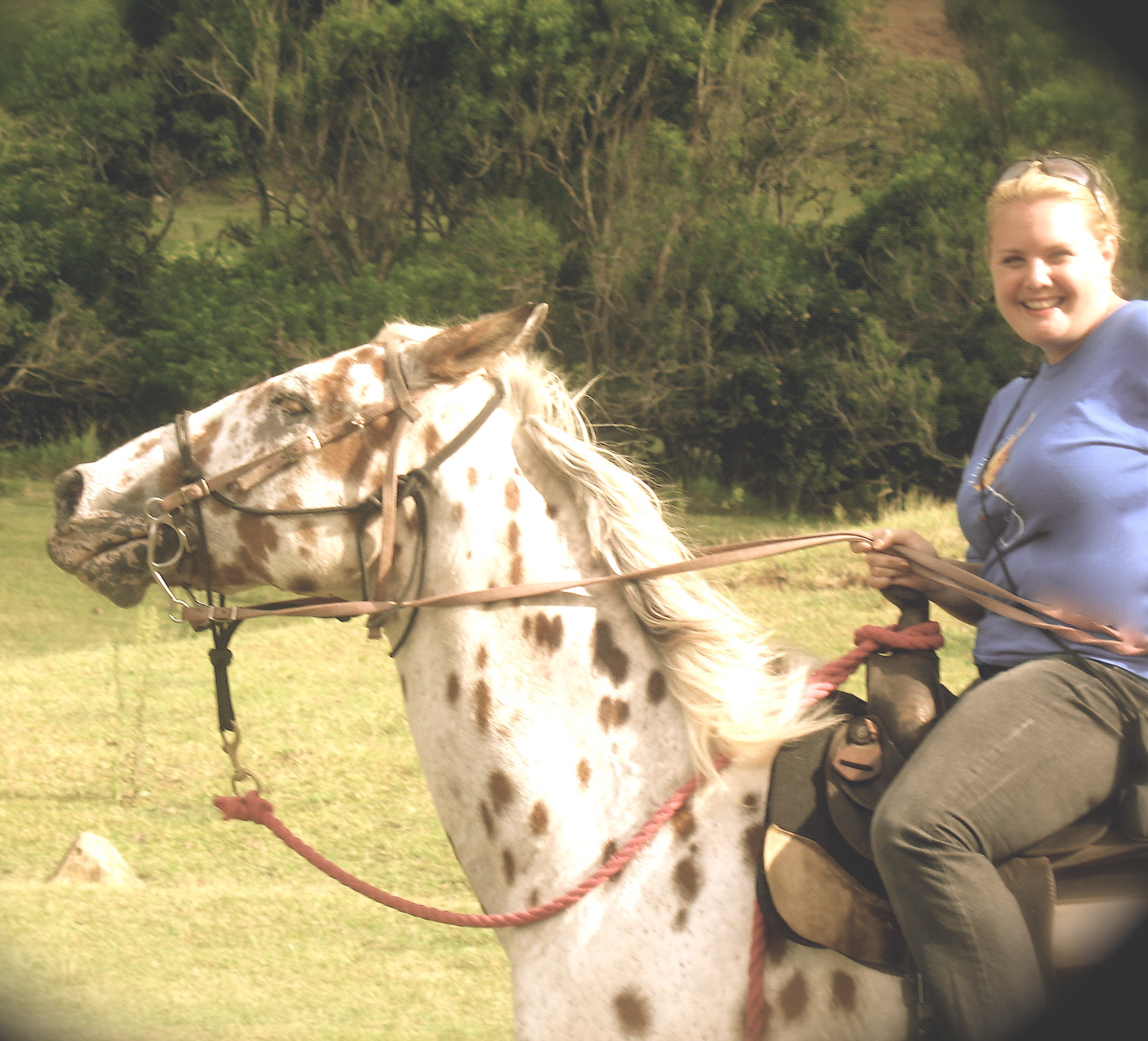
My horse really just wanted to eat the rainforest. He kept munching on the scenery. But what a beautiful ride!

Oh, and here I am on the “set” of LOST.

Needless to say, I had a pretty good time in Hawaii.  I made my Facebook friends so jealous that some of them started boycotting my status updates. 😉 It was an amazing adventure. I will never forget the summer of 2009.

My one regret is that I did not get to see a production at the Hawaii Opera Theatre in Honolulu.  I guess I’ll save that for my next trip.  Aloha!

The Day I Saw Mount Everest

Kathmandu, 2009 ~ My Himalayan adventure began very early on a Thursday morning.

It was the beginning of monsoon season, and there were some very black clouds on the horizon. I thought I felt some raindrops on my neck as we headed for Tribhuvan Airport.

We had flown into the same airport when we first arrived in Nepal on a flight from Bangkok, but we had come into the international terminal. The security check at the domestic terminal involved separating into male and female lines. To enter the departure lounge, we first had to enter a special curtained room, so that a gender-appropriate official could check us.

“Oh, you’ll love the domestic terminal,” an American friend had told me.  “It’s straight out of Indiana Jones. They sell whips and knives. There’s a snake charmer in the corner.”

He was joking, of course. When I passed through the heavy curtains, I found myself in a very normal looking departure lounge, with powder blue walls and large posters advertising Yeti Airlines and Buddha Air. The plastic benches were full of people waiting for their flights. There was a table in the corner where a man was selling instant coffee with yak’s milk.

I sat down on the floor with my mom and another friend from Hope Partnership Nepal. We had come to Nepal to create a music festival and to do some service projects.  But we had this morning off, and we wanted to fly around Mt. Everest!

We were told that our flight might be canceled because of the weather. We waited quietly for over an hour, wondering if our plane would be allowed to take off. The mood in the lounge was very somber. There was a smell coming from the restroom, which featured a hole in the ground and a bucket of water but no toilet paper. Finally, a crackling voice came over the loudspeaker.  “Buddha Air, next flight departing at 7:06.”  Everything was announced in both Nepali and English.

As we boarded the tiny plane, I tried to remember some Nepali phrases that my friend Rabin had taught me: तपाईंलाई कस्तो छ? (How are you?) मलाइ सन्चै छ । तपाईलाई नि? (I’m fine, thanks. And you?)  I could never make the words stick in my head.

Our tour guide greeted us warmly and explained that we might not be able to see much.  It was raining, after all.  If the storm got worse, we would have to return without seeing the Himalayas at all.

We ascended slowly, leaving the rooftops of Kathmandu far below. Suddenly, we broke through the clouds into a bright, sunlit world!  Nobody dared to speak.  We were in a magical place.

“Mom, we’re at the top of the world!” I whispered.

It is a strangely wonderful thing to view a 29,000-foot mountain from 30,000 feet. I felt like we were close enough to see the ice melt!  It was truly one of the most majestic things I have ever seen.

The tour guide ticked off the names of the mountains as we passed each one: “Nuptse. Everest. Lhotse. Makalu.” We took turns going up to the cockpit to see the pilot’s view, which was even more spectacular. Fluffy white clouds were nuzzled against the peaks, and the sky was azure blue. The mountains themselves were absolutely vast; you could actually feel how big they were.

Later, I tried to put that feeling into my music as I was singing, but I couldn’t make a sound that was both earthy and ethereal at the same time.

It’s been three years since I was on that little plane in the Himalayas. But I’ll never forget that breathtaking moment when we broke through the clouds. That memory helps me get through less beautiful moments.

I didn’t actually climb Everest, and I may never go trekking in the Himalayas. But I know those mountains personally, and I think about them often.

      Once again
      Do I behold these steep and lofty cliffs,
      That on a wild secluded scene impress
      Thoughts of more deep seclusion; and connect
      The landscape with the quiet of the sky.
                     - William Wordsworth
                     "Lines Composed A Few Miles Above Tintern Abbey"

Food for Singers: The Diva Diet

How do you feed a singing voice? What do you eat? When do you eat? What foods should you avoid?

For a singer, eating right is a balancing act.

Food is fuel, and you need enough fuel to get through your show. But too much food could make you lethargic on stage, and the wrong kind of food could irritate your throat, ruining your performance.

So you have to juggle everything that you know about nutrition… with everything you know about your own body. This photo is by She Knows Health & Fitness, a good resource for health tips.

When people travel to far-off places, they usually relax their diets and enjoy the local cuisine. But singers do not have the same luxury. When we travel to Rome or Tokyo for an opera gig, we have to think about how the food will affect the voice.

This week, I asked my singer friends what they like to eat before a performance.  I got responses from opera singers all over the world! And the results* are fascinating.  Here are their answers: the 5 best foods for singing … and the 5 worst foods for singing!

5 BEST FOODS FOR SINGING

1. Water – Dehydration is a singer’s worst nightmare. Dry vocal cords are less flexible and more susceptible to damage.  But don’t wait until the last minute to get a drink! The vocal folds are one of the last places in the body to get hydrated. So you can’t moisten your throat (from the inside) until you have consumed enough water to hydrate all of your vital organs. The singers in my survey reported drinking up to a gallon of water on the day before a performance. They drink more water as soon as they wake up the next morning. And they keep a couple of water bottles backstage during the performance.

2. Veggies & Fruit – Singers pile their plates full of green leafy vegetables. These help the body shed toxins and fight diseases. For optimal vocal performance, Aaron Lim, author of Your Personal Singing Guide, recommends fruits and vegetables rich in Vitamins A, C & E. One of the singers in my survey is a vegan and she selects raw foods packed with nutritional value; before singing, she drinks a green smoothie with kale or chard, juicy fruit, flax seeds, dates and water.

Fermented vegetables, like sauerkraut and kimchi, are cancer-fighting, mood-improving, probiotic superfoods! But wait until after your performance to indulge your saurkraut habit, because salty foods absorb water.

3. Protein –  Just like athletes, singers need protein to maintain their strength and stamina. Many singers like fish and poultry, because they are high in protein but low in fat. But a couple of the singers in my survey reported needing iron-rich red meats on the day before a performance. Vegetarian singers prefer protein shakes and energy bars.

4. Small “Combo” Meals – Many singers eat a small meal about two hours before the curtain goes up. They can’t afford to get dizzy onstage, so they avoid sugary and starchy foods that could spike their blood sugar. Instead, the singers in my survey picked foods with a low glycemic index. They also balanced their proteins and carbs.  Favorite meals included salmon and salad, eggs and toast, or chicken and rice.

5. Vocal “Lubricants”– Food and water never come in direct contact with the vocal cords. But there are some snacks that stimulate saliva production, bringing relief to singers who suffer from “dry mouth.”  These include apples, lemons, hard candy and ginger tea.  If you’re feeling hoarse or scratchy, a spoonful of honey will soothe your throat and fight off bacteria.

5 WORST FOODS FOR SINGING

1. Alcohol – Many people only sing in public if they’re tipsy, but opera singers finally stop singing when they drink.  Here’s why: alcohol causes the tissues in the larynx to swell, reducing vocal control.

2. Heavy Foods – Singers avoid fatty foods, greasy foods, and anything that might give them gas. Remember that food is fuel, but don’t overtank! Singing depends on good breath management. If you eat too much, your digestive system will slow down and your abdominal muscles will relax and you’ll find it harder to support your air.

3. Caffeine – Caffeinated drinks steal moisture from the body. Also remember that caffeine is a real drug and it can hype you up. Performing is exciting enough by itself; you don’t want to flood your body with caffeine and adrenaline.

4. Spicy Foods – Garlic and other spices are fantastic for the immune system, but they are hard on the vocal folds. They can also irritate the stomach, causing acid reflux. You’ll also want to avoid foods with nuts or small particles that could get lodged in your throat.

When I was singing and teaching in Kathmandu, I lived on naan and tea for days at a time. Why? Because my digestive system was in shock. I couldn’t tolerate yak’s milk at all. And I loved the spicy boar, but the spicy boar didn’t love me.

5. Milk – Dairy products have been linked to sinus infections.   To a singer, there is nothing worse than having a raging infection in the ears, nose and throat. For many years, we were taught that drinking milk actually produced phlegm.  This turns out to be a myth, and yet some singers do get congested when they use milk products.

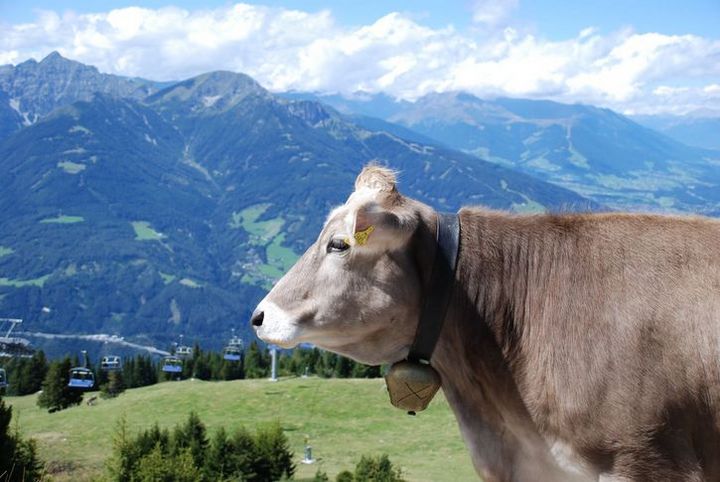
I was lactose intolerant until I moved to Austria, where my digestive system cured itself. (Note that this is medically impossible, but it happened anyway.) I thank Austrian cows for my current ability to eat cheese — after all, Austrian cows appear to be happier and healthier than American cows, and they have better cowbells, so I think they deserve the credit. 😉

It’s best not to be too neurotic about what you eat. Anxiety does not help you sing better. But clearly, food plays an important role in the singer’s life.  If you want to stay in peak vocal condition, you need to choose your meals wisely. And that concludes this episode of the Diva Diet. Bon appétit!

* Please note that this was an informal survey with a very small sample size. It does not attempt to be a formal study with statistical significance.   

The Art of Getting Discovered

Exciting news! Over the next few months, I will also be blogging for iCadenza.

iCadenza is a magnet for fresh talent. Their mission is to empower classical musicians to survive and thrive.

So if you need an extra shot of creativity and inspiration, check the iCadenza blog. I am joining a fantastic team of bloggers. We’ll be talking about the artist life: the joy of music, what it takes to be a musician, and how we can give our audience (YOU!) more access to our music.  My first post went live this morning: Blogger Profile Lindsay Feldmeth    Please stop by!

Airplane Novels for Opera Lovers

“Novels and opera are like sisters. They love each other, they feed each other, they grow together.” – Antonio Skarmeta

I love to read and I love to travel.  So I need a large selection of airplane novels. I’m always looking for my next “good read.” And some of my favorite stories are about traveling opera singers!

It’s not that I’m obsessed with opera. (Well, not much.) But novels about opera usually have that intoxicating mix of glamor, romance, history, intrigue, and European locations. They are usually self-indulgent without being cheap and superficial. So if you’re looking for an operatic airplane novel, you’ve come to the right blog.

But what are the best novels about opera? This has been a popular discussion on my Facebook page. My friends and fans always have the best suggestions. Here are some of their top picks. Just click on the picture for more info:


If you love your Kindle as much as I do, you’ll be pleased to see that most of these are available for instant download.

Have I missed any great books? Let me know!  Happy reading.

Addicted to German

The German language is like coffee.

It tastes bitter at first, but it’s incredibly addictive.

To the English ear, it is not the most beautiful of European languages. But at least it has some bite!

This authentic picture of German coffee is provided by Research in Germany.

My grandfather was German and I was familiar with the sounds of German before I ever studied the language. I had the rare chance to learn German in an American high school, and it changed my life. German opens whole new worlds of opportunity, not only for engineers and business people but also for scholars and musicians! Still, it was not until I moved to Austria (at the age of 20) that I realized that German could be habit-forming.
Gutteral sounds are not the most pleasing to hear, but they are extremely satisfying to say!  And if you crave elegance, you can find it in German’s pure, round vowels. Best of all, the explosive consonants give the listener a special rhythmic pleasure that is absent from, say, French. German snaps and crackles and pops!

In my first few months in Salzburg, I let the German language seep into every corner of my mind. I limited my contact with my English-speaking friends and insisted on only speaking German to my professors and colleagues. All of my courses at the Mozarteum were taught in German and the lingua franca of the cafeteria was German. My brain adapted to my personal linguistic experiment.  By the end of my third year in Austria, I was thinking and dreaming in German.

The wonderful thing about thinking in a different language is that you start to think in different directions. You can’t help but have new creative insights!  This happens automatically when you use a different word order, or express your feelings with a different metaphor, than you would have used in your own language. You start to see things differently, not just from a different cultural perspective, but from a different linguistic perspective, as well.

My parents were a little alarmed when I first came home for vacation and had to search for English words. But it provided a lot of spontaneous humor at the dinner table.  Naturally, the brain adapts (again!) very quickly to conversation in its native language. And all of this brain exercise is very healthy; recent studies indicate that people who are bilingual have higher cognitive function and better long-term brain health.

Of course, I was studying music, and music has a way of getting under your skin. By singing German opera and German Lieder (art songs), I ensured that German would stay in my soul forever.  There is a deep beauty in German Romantic poetry that has been set to music.  Du holde Kunst, ich danke dir dafür!

So why is German considered so difficult? It has a relatively small vocabulary, but a very sophisticated grammatical structure. That’s why German is not the easiest language for an English-speaker to learn, even though English is a Germanic language. I made a ton of mistakes while learning German — and I still do!

But now, I have a tender spot in my heart for German syntax. I even get nostalgic for the sound of the Austrian dialect. If I stay away from Austria for too long, I have to feed my German addiction by reading German novels and watching Austrian TV programs.

You may have seen this chart on Facebook.  It insinuates that German is not as pretty as other European languages. Which is true!!!

But German has its own crackling energy. So be careful the next time that you pick up a German book, or start talking to a German friend. German is extremely addictive.  You might just like it!

Auf Wiedersehen!

Travel Fitness: the Diva Workout

Singing is a sport.

Opera singers may not look like swimsuit models, but they are actually cardio champions.

According to the American Journal of Nursing, opera singers have stronger chest-wall muscles, greater lung capacity, and more efficient hearts than their non-singing friends.

But, if classical singing requires the muscle coordination of a professional athlete, why are singers so… plump?  Not all opera singers are heavy, but many cantanti struggle with their weight. Does it have to do with body type?  Metabolism? Lifestyle? No one knows for sure.   A New York Times article cited a study suggesting that singers produce too much leptin. We do know that the sound of a human voice is influenced by the size and shape of the body. Some people believe that fat actually produces a more resonant sound! Whatever the reason, the extra curves get noticed. There is increasing pressure on opera singers to lose weight.

That’s why so many 21st century singers are signing up for total body fitness programs!  Personally, I prefer a combination of yoga, Irish dancing, and cycling by the beach. (I also list “singing Wagner” as one of my endurance sports.)

I enjoy some fitness video games: Wii Fit Plus for strength and posture, and ABBA You Can Dance for those rare moments when I’ve had enough opera and I’m craving happy ’70s music.

But how on earth do you maintain a program of cardio, strength, and flexibility training when you’re on the road? For people who travel, exercise is a special challenge. It requires a lot of planning! I like to collect tips from this cool blog: My Travel Fitness

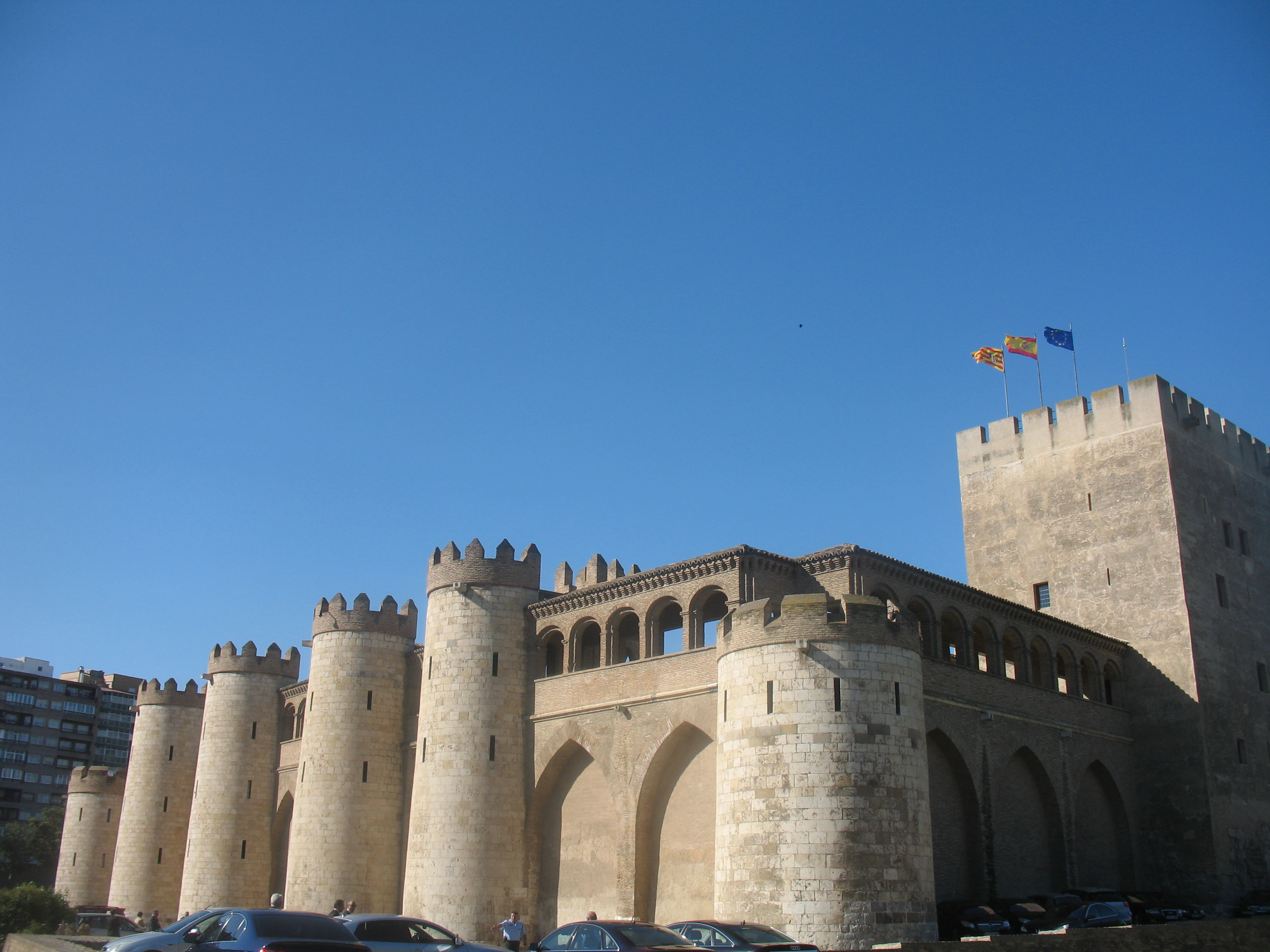
In 2010, I traveled to Spain for an opera contest while I was training for my first triathlon. Before I even got on the plane, I wrote down the directions from my Spanish hotel to the nearest public swimming pool. I also found the nearest bike rental shop. When I got there, I went hiking as often as possible.  For me, singing always comes first, but I managed to maintain a (slightly less rigorous) triathlon training schedule. I may not have a castle in Spain… but I’ve jogged around one.

Most singers find that they can improve their energy and vocal stamina by spending more time at the gym. They are more comfortable with dancing, and swordplay, and leaping around onstage if they have taken martial arts classes, or dance aerobics, or gyrotonics. Exercise also helps melt away the stress of a major career. Cindy Sadler has blogged about her success with cycling.  Renée Fleming does Pilates.

And if you’re not a singer, but you’re looking for a fun new cardio activity, try voice lessons! Singers learn advanced breathing techniques by training the muscles of the thorax and the abdominal wall. An opera colleague of mine surprised her doctor by demonstrating that she could hold a normal conversation while jogging on the treadmill.  “Sustaining breath control over an elevated pulse?” she scoffed.  “Yeah, that’s kinda what I do.”  Singing is fun and it’s good for your heart, too! 🙂

Finally, I’d like to share an opera video has been circulating on Facebook this week. It demonstrates the advantages of being in shape (check out what happens at 0:50):

Starving Artists in Moscow

This is another “blast from the past” blog post. For some reason, I’ve been thinking about all the travel adventures I had before I ever started this blog! In my last post, I took you on a wild ride through Nepal, and this time, I’d like to take you to Russia…

There’s a certain mystique about the Tchaikovsky Competition in Moscow. It’s a prestigious classical music contest, and it has a very old-school Russian atmosphere. But Americans have been quite successful there. Famous gold medalists include Van Cliburn (piano) in 1958 and Deborah Voigt (voice) in 1990.

So I felt humbled to be the only American vocalist invited to compete in the XIII International Tchaikovsky Competition in 2007. This is, after all, a serious international medal competition with several events (piano, cello and voice) and it only happens once every four years. I felt like I was going to the Olympics!

We were even treated like Olympians.  Our travel and housing expenses were covered by the competition. (Even my pianist’s expenses were covered, so I invited Ayako, a friend and colleague from the Mozarteum in Austria, to perform with me in Moscow.) We received free T-shirts, tote bags, commemorative pins and magnets. We all lived in the same mega-hotel, right outside the center of town, just like an Olympic Village.

The officials posted intricate schedules, where hundreds of competitors were organized by name, instrument and nationality. (“Lindsay Feldmeth, voice, USA & Ayako Watanabe, piano, Japan” — I learned to recognize our names in the Cyrillic alphabet.)

The competitors traveled into the city together by bus. (Well, Ayako and I often escaped and used the subway instead, but we’re rebellious like that.) We even took a group field trip to the Tchaikovsky Museum in Klin!

So when they announced that we would also receive a certain number of free meals, we were delighted. Like most young artists, Ayako and I were on a tight budget, and good food can be expensive in Russia. We were issued several blue “meal tickets,” for use at the cafeteria in Tchaikovsky Hall.

On the first day of the competition, we landed in the cafeteria after a long and exhausting rehearsal. I surveyed the dishes underneath the glass and pointed to a delicious dish of lamb. But the man serving the food shook his head emphatically. “Nyet.”

“Oh!” I said, looking down at the blue ticket in my hand.  “Well, that makes sense,” Ayako whispered to me in German.  “After all, it’s a free lunch. They can’t give us all lamb.”

I nodded, smiled, and pointed at a smaller dish of chicken breast. “Nyet.”  Hesitating, I indicated a corn salad.  “Nyet.”  Confused, I looked to see what the other competitors were eating. When I saw what they had chosen, I pointed sadly to a burnt piece of meat that resembled beef tongue.  “Da!” said the man happily, scooping it onto my tray.

We were still grateful for the free lunch, but it really wasn’t the best meal of the year. After that, Ayako and I ate out as often as possible. Restaurants are pricey in Moscow, but there are a variety of good places to eat within steps of Red Square, if you know where to look.  I can recommend this website.

But even if the food was underwhelming, nothing could match the experience of singing onstage at Tchaikovsky Hall.  It was a magic moment.  Afterwards, I gave a backstage interview (in English, thank goodness!) for a Russian radio program.

Throughout the experience, I was deeply touched by the Russians’ love for classical music.  I could not believe how many spectators showed up to watch the preliminary rounds of the competition — even on weekday mornings!

After the quarter finals, I went out to the lobby to get some air.  I had only been standing there for a few minutes when I was approached by an older Russian gentleman.  He pointed to my picture in the program.  “Leensee Fyeldmet?” he asked hopefully.  “Yes, that’s me,” I said. He pressed a pen into my hand and asked me to autograph his program.  Then he threw his arm around me and had his son take our picture! It was a sweet moment.

I didn’t win any medals at the Tchaikovsky Competition. But I will always consider Moscow my “Olympic” experience. до свидания!